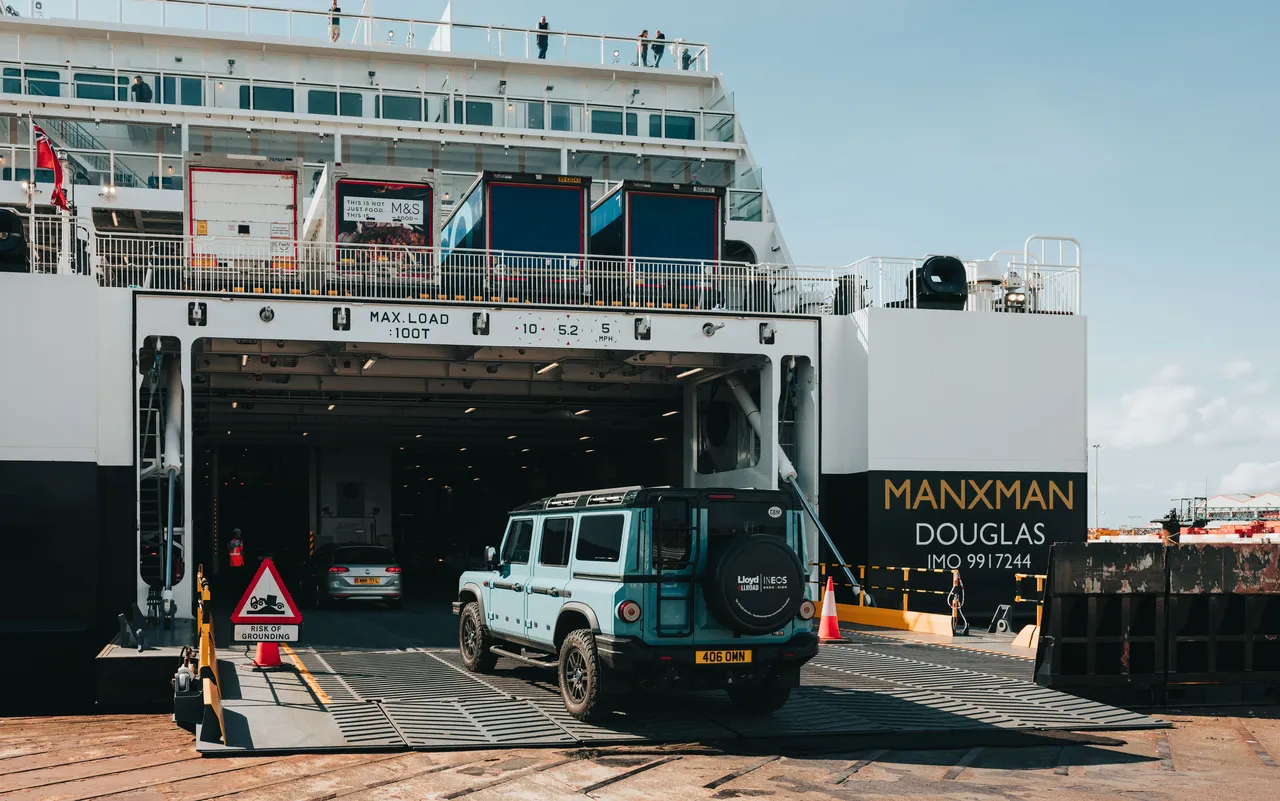
Vehicle Boarding Information
Travelling by ferry with your car, van, motorhome or motorcycle gives you the freedom to explore once you reach your destination.
If you have never taken a vehicle onto a ferry before, however, you may be wondering what happens at the port. The process is usually straightforward. However, check-in times, vehicle requirements and boarding procedures can vary between ferry companies.
This guide explains what you can generally expect. You can then choose your ferry operator below for more specific vehicle boarding information.
How Does Vehicle Boarding Work on a Ferry?
Travelling by ferry with your car, van, motorhome or motorcycle gives you the freedom to explore once you reach your destination.
If you have never taken a vehicle onto a ferry before, however, you may be wondering what happens at the port. The process is usually straightforward. However, check-in times, vehicle requirements and boarding procedures can vary between ferry companies.
This guide explains what you can generally expect. You can then choose your ferry operator below for more specific vehicle boarding information.
Before You Arrive at the Ferry Port
Preparing before you travel can make boarding much easier. Check your ferry operator’s required check-in time before setting off. Allow extra time for traffic and possible delays around the port.
You should also make sure that the vehicle details on your booking are correct. This is particularly important if you are travelling with:
- A motorhome or campervan
- A van
- A motorcycle
- A trailer
- A caravan
- A roof box or roof rack
- Bikes attached to your vehicle
Your ferry company may ask for the overall length and height of your vehicle when you book.
What Happens to Your Vehicle During the Crossing?
Vehicles are parked on designated vehicle decks during the crossing.
Before leaving your vehicle, follow the instructions provided by the crew. Depending on the ferry company and vessel, you may be asked to apply the handbrake, leave the vehicle in gear or park, and switch off certain alarm systems.
Take everything you need for the journey with you.
Access to vehicle decks is normally restricted while the ferry is at sea. Therefore, it is worth packing a small bag with anything you might need during the crossing.
Vehicle Boarding Information by Ferry Company
Vehicle boarding rules aren’t exactly the same across every ferry company. Check-in deadlines, vehicle dimensions, electric vehicle procedures and rules surrounding gas cylinders can all differ. Some requirements may also change depending on the route or vessel. For this reason, we recommend checking the information for the ferry company you are travelling with.
Travelling with a Motorhome, Campervan or Caravan
Taking a larger vehicle onto a ferry is usually straightforward. However, accurate dimensions are particularly important. Make sure you include anything that increases the overall length or height of your vehicle. This could include a bike rack, roof box or trailer.
Motorhomes and campervans can also have additional requirements because of LPG or other gas cylinders carried onboard. Always check the rules of your chosen ferry company before travelling.
Travelling with an Electric Vehicle
Electric and hybrid vehicles are carried by many ferry companies. However, procedures can vary between operators. You may be asked to declare the vehicle type when making your booking. Ferry companies may also have specific procedures for damaged vehicles or vehicles with battery problems. Check your ferry company’s latest electric vehicle guidance before travelling.
FAQ
Taking a vehicle on a ferry is straightforward once you know what to expect. However, first-time passengers often have questions about check-in, parking onboard and what they can leave inside their vehicle. Here are answers to some of the most common questions about boarding a ferry with a vehicle.
Ready to Travel?
Once you understand the boarding process, taking your own vehicle by ferry is one of the easiest ways to explore your destination.
After choosing your crossing, take a look at our Destination Guides for ideas, travel information and useful advice for when you arrive.