Isle of Wight
The Isle of Wight is a popular island destination located just off the south coast of England, separated from the mainland by the Solent. Positioned between major ferry hubs like Portsmouth ferry port and Southampton ferry port, it’s one of the easiest UK islands to reach.
Despite its proximity, the island feels distinctly different, offering sandy beaches, coastal walks, and a slower pace of life compared to the mainland. It’s often compared with other UK island destinations, and travellers looking for longer or more unique island experiences may also consider routes to Jersey ferries or Guernsey ferries, both of which offer a more continental feel.
You can compare and book all available sailings on our ferry routes page to find the best option for your journey.
How do I get there?
The most popular and flexible way to reach the Isle of Wight is by ferry. With multiple daily sailings from The most convenient way to travel is by booking an Isle of Wight ferry, with frequent sailings operating from the south coast of England.
You can travel from:
- Portsmouth to Isle of Wight ferries
- Southampton to Isle of Wight ferries
- Lymington to Isle of Wight ferries
Ferry crossings are short, reliable, and available for both foot passengers and vehicles, making them ideal whether you’re planning a day trip or a longer stay. If you’re comparing UK ferry routes, the Isle of Wight is one of the fastest and most accessible crossings available.
Why choose ferry travel to the Isle of Wight?
Choosing a ferry gives you flexibility that other travel options simply don’t offer.
- Travel with your car for full island access
- Choose from multiple daily sailings
- Depart from well-connected ports like Portsmouth, Southampton, and Lymington
- Enjoy a short, scenic crossing across the Solent
Compared to longer crossings like ferries to Jersey or ferries to Guernsey, Isle of Wight routes are quicker and often more cost-effective, especially for families and short breaks.
What are my ferry options?
Lymington to Yarmouth (Wightlink)
Ferries From Lymington to Yarmouth
 |
A quieter and more relaxed crossing, this route connects the New Forest with the western side of the Isle of Wight. It’s ideal if you’re heading towards Yarmouth, Freshwater, or the Needles, and offers a less congested alternative to Portsmouth routes.
Portsmouth to Fishbourne (Wightlink)
Ferries From Portsmouth to Fishbourne
|
One of the busiest and most popular routes, this vehicle ferry service provides easy access to the island’s eastern side. Fishbourne is just minutes from Ryde, making it a convenient choice for first-time visitors and those heading to central island locations.
Portsmouth to Ryde (Wightlink)
Ferries From Portsmouth to Ryde
|
Prices from £22
A high-speed passenger-only service, this is the quickest way to reach the island. Perfect for day trips, it delivers you directly into Ryde, one of the island’s largest and most vibrant towns.
Southampton to East Cowes (Red Funnel)
Ferries From Southampton to East Cowes
 |
This route is ideal for travellers coming from further west or London. East Cowes offers direct access to Newport and the centre of the island, making it a strategic arrival point for exploring in all directions.
Southampton to West Cowes (Red Funnel – Red Jet)
Ferries From Southampton to West Cowes
|
Prices from £24
A fast passenger ferry connecting directly into the heart of Cowes. Popular with commuters and event visitors, especially during sailing events like Cowes Week.
Which route is best?
The best ferry route depends on your starting point and where you want to go on the island.
- Fastest option: Portsmouth to Ryde ferry route (passenger only)
- Best for vehicles: Ferry from Portsmouth to Fishbourne or Ferry from Southampton to East Cowes
- Quietest route: Lymington to Yarmouth ferry route
- Best for central access: Southampton to East Cowes ferry route
If you’re planning a broader island-hopping trip, you may also want to compare routes to Channel Islands destinations like Jersey and Guernsey, which offer longer crossings but a very different travel experience.
Who runs the ferries?
Two main operators run Isle of Wight ferry services:
- Wightlink ferries – routes from Portsmouth and Lymington
- Red Funnel ferries – routes from Southampton
Both offer year-round services with increased frequency during peak travel periods. If you’re comparing operators, both provide reliable options depending on your preferred route and departure port.
Where do the ferries go?
Mainland Ports
- Portsmouth – one of the UK’s busiest ferry hubs with excellent road and rail links
- Southampton – ideal for travellers coming from London and the west
- Lymington – smaller, quieter port located in the New Forest
Isle of Wight Ports
- Fishbourne – gateway to Ryde and the east coast
- Ryde – major town with direct transport connections
- Yarmouth – charming harbour town on the west side
- East Cowes / West Cowes – central access points and sailing hubs
What can I do on the Isle of Wight?
The Isle of Wight is one of the UK’s most versatile island destinations, offering a mix of seaside towns, natural landmarks, and historic attractions. It’s often included in broader UK travel plans alongside other ferry destinations like Jersey and Guernsey, but it stands out for its accessibility and variety.
Ryde
Ryde is one of the island’s main arrival points for travellers using the Portsmouth to Ryde ferry. It offers sandy beaches, a traditional pier, and excellent transport links, making it a great starting point for exploring the island.
Cowes
Cowes is famous for sailing and maritime culture, easily reached via the Southampton to Cowes ferry. It’s a lively destination during events like Cowes Week, but also offers year-round appeal with waterfront pubs, shops, and coastal walks.
Yarmouth
Accessible via the Lymington to Yarmouth ferry, this quieter harbour town is perfect for a relaxed break. It’s also the best base for visiting the Needles and exploring the island’s west coast.
Shanklin
A classic seaside resort known for its sandy beach and traditional charm. Shanklin is popular with families and is easily reached from Fishbourne ferry terminal via a short drive.
The Needles & Alum Bay
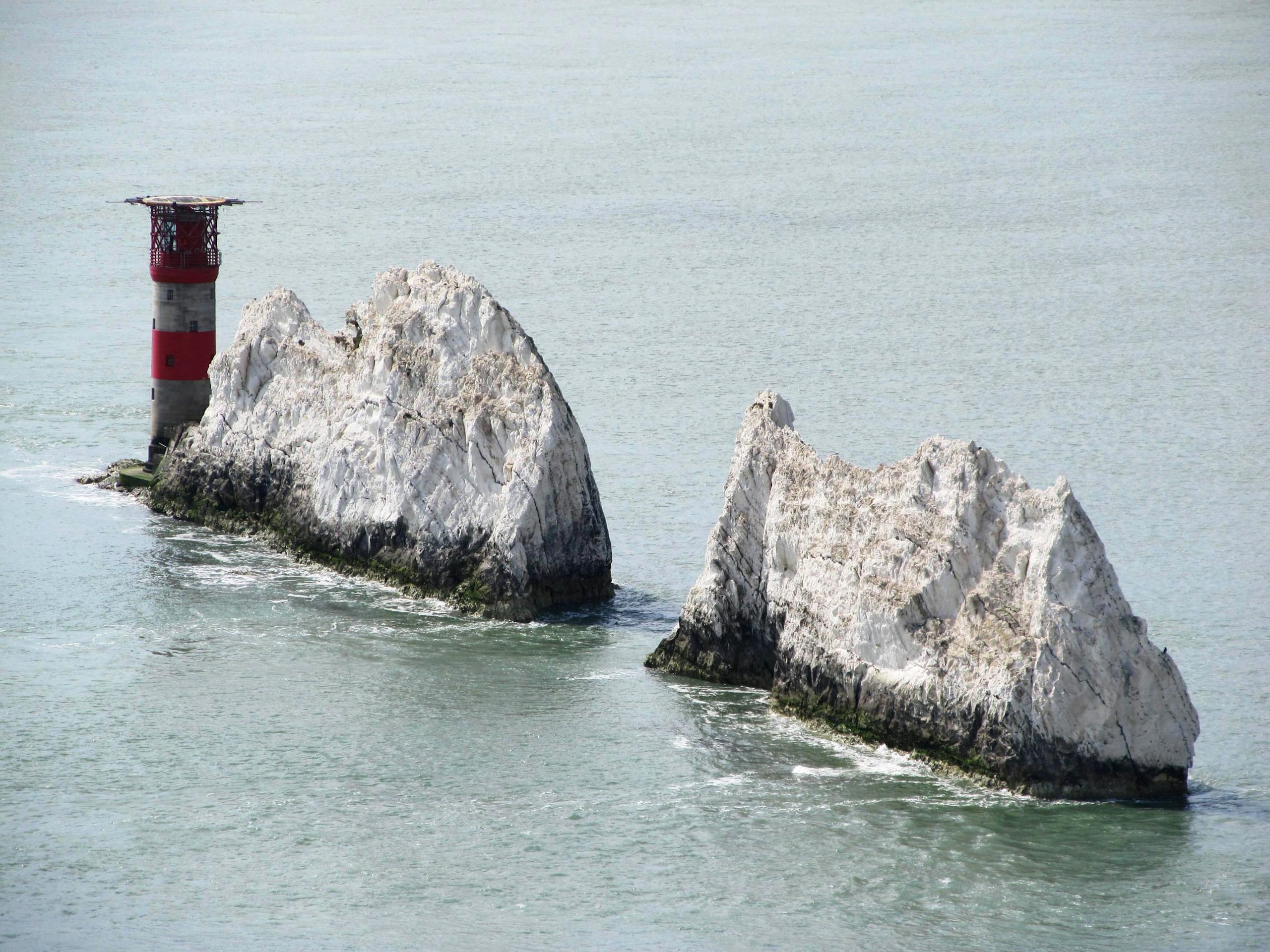
One of the most iconic landmarks on the island, located near Yarmouth. The Needles offer dramatic coastal scenery and are a must-see for anyone visiting via the west side ferry routes.
Beyond the Isle of Wight: Jersey & Guernsey
If you’re considering extending your trip, the Channel Islands offer a completely different island experience.
- Jersey – larger, with a mix of beaches, history, and French influence
- Guernsey – quieter, more rural, and ideal for walking and coastal exploration
These destinations can be compared and planned alongside your Isle of Wight trip, helping you build a broader island-hopping itinerary.
What should I know before travelling?
- Book early to secure the cheapest Isle of Wight ferry tickets
- Vehicle spaces are limited, especially on popular routes
- Peak sailings (morning and evening) fill up quickly
- Allow 30–45 minutes before departure
- Compare routes and times to find the best option for your trip
FAQ
If you’re planning to travel from the UK to the Isle of Wight by ferry, you may have a few questions about routes, travel times, and what to expect. Below are answers to some of the most frequently asked questions about ferry travel to the Isle of Wight.