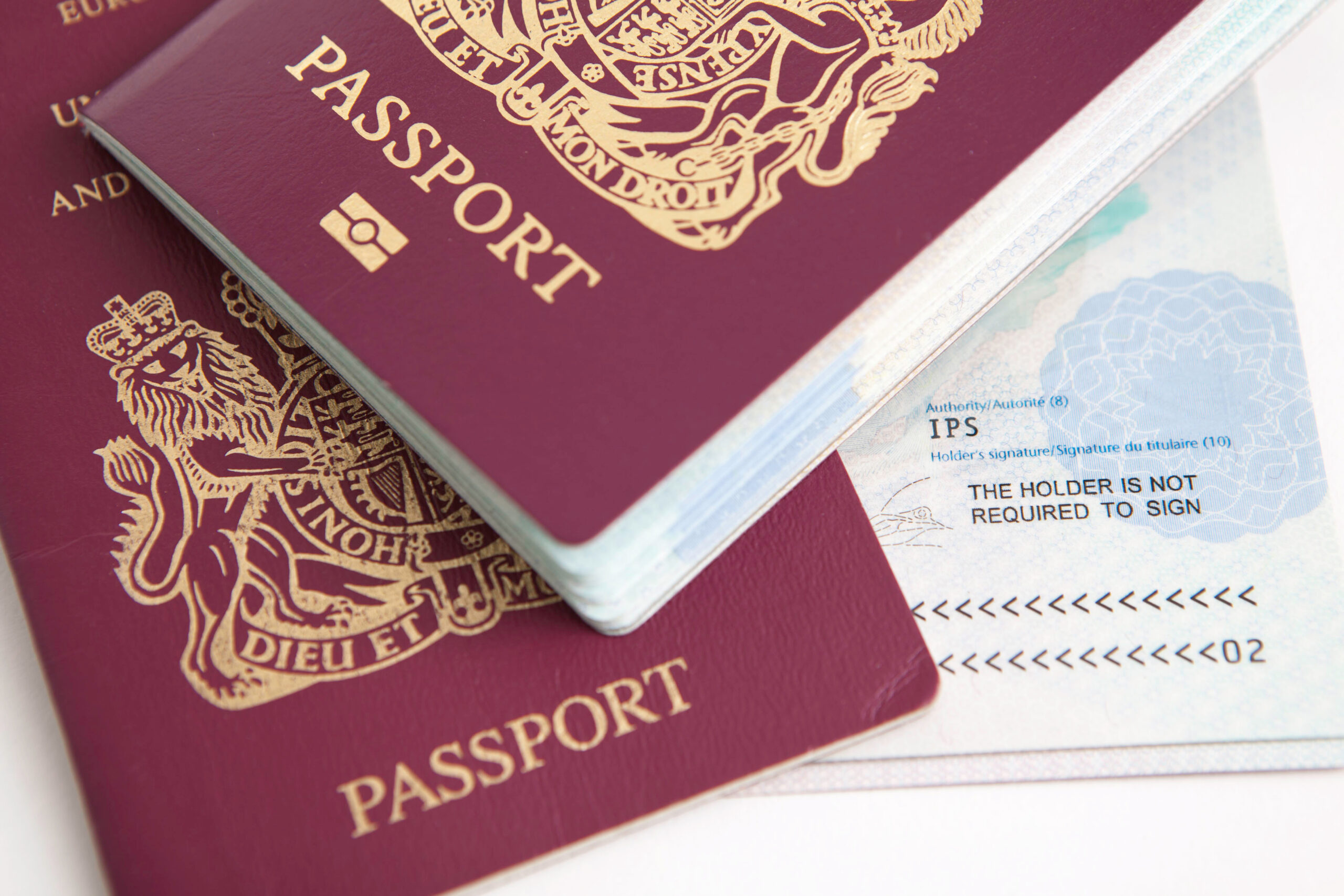
Passports and Identification for Ferry Travel
One of the most common questions travellers ask before boarding a ferry is whether they need a passport or other identification.
The answer depends on your nationality and the route you are travelling on. However, as a general rule, you should always travel with a valid passport or accepted photographic identification wherever possible.
Quick Guide
✓ Travelling between Great Britain and Ireland? Identification is required, but a passport may not be necessary for British and Irish citizens.
✓ Travelling between the UK and mainland Europe? A valid passport is required.
✓ Non-British and non-Irish citizens will generally require a passport regardless of route.
✓ The name on your travel document must match the name on your booking.
✓ Check passport validity requirements before travelling.
⚠️ Important: Identification requirements can vary by ferry operator, route and nationality. Always check the latest requirements before departure.
Travelling Between Great Britain and Ireland
British and Irish citizens travelling across the Irish Sea do not normally need a passport.
However, you will need to carry an accepted form of identification.
Accepted forms of identification may include:
- A valid passport
- Photographic driving licence
- International Student Card
- Government-issued photographic ID card
- Health insurance or social security card with photograph
- Photographic bus or rail pass
- EU National Identity Card
For children aged 17 and under who do not have photographic identification, a birth certificate is generally accepted as proof of identity.
Please note that individual ferry operators may have their own identification requirements, so it is always advisable to check before travelling.
Travelling Between the UK and Mainland Europe
If you are travelling from the UK to mainland Europe, you must carry a valid passport.
This applies to routes to destinations including:
- France
- Spain
- Netherlands
- Belgium
- Other European destinations
Before travelling, ensure that:
- Your passport is valid for travel
- The name on your passport matches your ferry booking
- You meet any passport validity requirements for your destination country
Travelling as a Non-British or Non-Irish Citizen
If you are not a British or Irish citizen, you will normally be required to travel with a valid passport regardless of the route you are taking. Additional visa or immigration requirements may also apply depending on your nationality and destination.
If you are unsure, contact the relevant immigration authority or ferry operator before booking.
Passport Validity
Many countries require passports to remain valid beyond your travel dates.
As a general rule:
- Check that your passport is valid for the entire duration of your trip
- Some destinations may require several months of remaining validity after your return date
Always verify current passport validity requirements before travelling, as rules vary between countries.
Visa Requirements
Travelling to Ireland
Under the Common Travel Area (CTA) arrangements, British and Irish citizens can travel freely between the UK and Ireland.
British nationals do not require:
- A visa
- A residency permit
- Special permission to live, work or study in Ireland
Ireland and the Schengen Area
Although Ireland is a member of the European Union, it is not part of the Schengen Area.
This means Schengen visa and border rules do not apply when travelling between the UK and Ireland.
Travellers from other countries should check visa requirements before travelling.
Before You Travel
Before heading to the ferry terminal, make sure:
✓ Your passport or identification is valid
✓ The name on your booking matches your travel documents
✓ Any required visas have been obtained
✓ You have checked the requirements for your destination country
✓ You have reviewed your ferry operator’s identification policy
Failure to provide the correct travel documentation may result in being denied boarding.
FAQ
If you’re planning to travel from the UK to Ireland or further by ferry, you may have a few questions about passports and entry requirements. Below are answers to some of the most frequently asked questions about passports and entry requirements.