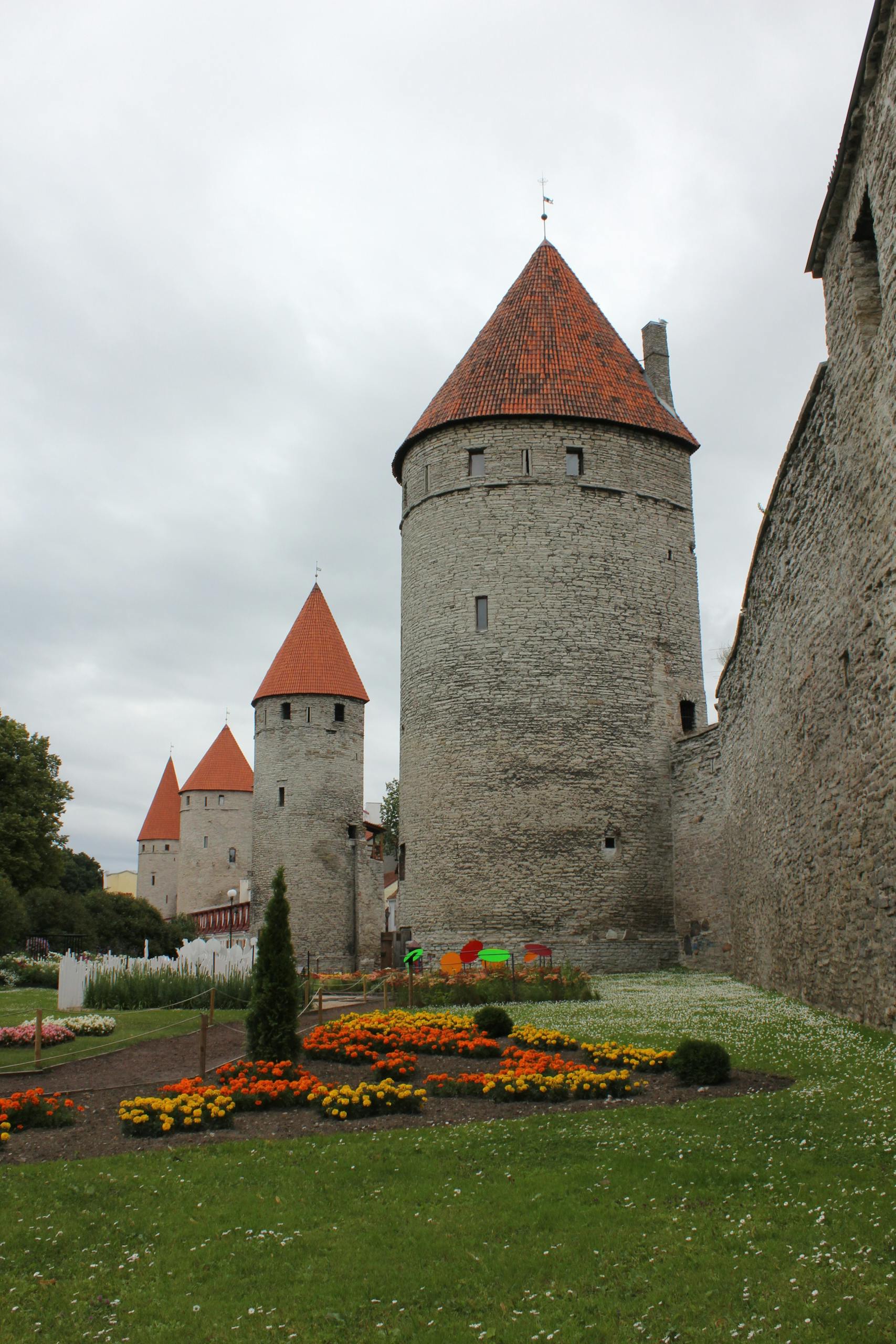
Estonia
Where is Estonia?
Estonia is a Northern European country located on the eastern edge of the Baltic Sea, bordered by Latvia to the south and Russia to the east. Known for its medieval cities, digital innovation, and vast natural landscapes, Estonia offers a unique mix of historic charm and modern culture.
The capital, Tallinn, is one of Europe’s best-preserved medieval cities, while destinations like Tartu, Narva, and Pärnu showcase a more diverse side of the country. From university culture to coastal resorts.
Although there are no direct ferries from the UK to Estonia, you can start your journey with a UK to France ferry or a UK to Holland ferry before continuing east towards Estonia.
Many travellers combine Estonia with a wider Baltic trip, including ferries to Latvia and ferries to Lithuania.
How do I get to Estonia by ferry?
There are currently no direct UK–Estonia ferry routes, so travellers typically reach Estonia by combining:
- A UK to mainland Europe ferry
- A drive across Northern Europe
- A Baltic Sea ferry crossing into Estonia
Step-by-step route example:
- The most popular option is to take a ferry from Dover to Calais or a ferry from Harwich to Hook of Holland
- Drive across mainland Europe – France, Belgium, Germany, and Poland
- Continue via Lithuania and Latvia
- Cross into Estonia by road or take a regional Baltic ferry
This approach is ideal for:
- Road trips
- Travelling with a vehicle
- Flexible itineraries across multiple countries
👉 Start by comparing:
Why choose ferry travel to Estonia?
Travelling by ferry to Estonia, rather than flying, offers several advantages:
Flexibility
You can travel with your own car, making it easier to explore Estonia’s cities and countryside at your own pace.
Cost-effective for groups
For families or longer trips, ferry + driving is often cheaper than flights + car hire.
Multi-destination travel
A ferry journey allows you to combine Estonia with:
👉 Ideal if you’re planning a Baltic road trip itinerary
Comfort
Modern ferries offer cabins, restaurants, and onboard facilities. Turning travel into part of the experience.
What are my ferry options to Estonia?
While there are no direct UK routes, Estonia is well connected via regional Baltic ferry crossings.
Kapellskär (Sweden) → Paldiski (Estonia)
A quieter route primarily used by freight and vehicle travellers. Ideal if you’re driving and want a less busy crossing into Estonia.
 |
| Kapellskar |
 |
| Paldiski |
| 1 sailings per day |
| Sailing time 10h 30m |
| Car & 4 passengers from £180Car & 4 passengers from €245 |
Which is the best ferry route to Estonia?
The best ferry route depends on your starting point and travel style:
- Fastest overall: Kapellskär → Paldiski
- Best for UK travellers: UK → Holland → drive → Estonia
- Best overnight option: Kapellskär → Paldiski
- Best for driving convenience: Kapellskär → Paldiski
For most UK travellers, the Harwich to Hook of Holland + drive + Baltic crossing combination offers the best balance of cost, flexibility, and travel time.
Who runs ferries to Estonia?
Several major ferry operators serve Estonia:
- DFDS / Stena Line (indirect routes) – UK to mainland Europe
- Tallink Silja Line – Key operator for Sweden–Estonia routes
- Viking Line – Popular for Baltic crossings
- Eckerö Line – Frequent Helsinki–Tallinn services
👉 Compare ferry operators and prices across all routes
Where do ferries arrive in Estonia?
Port of Paldiski
A secondary port used mainly for freight and vehicle crossings. Located west of Tallinn and ideal for drivers.
What can I do in Estonia?
Tallinn
Estonia’s capital is famous for its UNESCO-listed Old Town, cobbled streets, and medieval architecture. It’s the main entry point for most travellers and a perfect starting base for exploring the country. Tallinn fits easily into Baltic itineraries and connects well to Helsinki.
Tartu
Known as Estonia’s intellectual hub, Tartu is home to the country’s oldest university. It offers a lively cultural scene, museums, and a relaxed atmosphere. Ideal for travellers looking to experience authentic Estonian life beyond the capital.
Narva
Located on the border with Russia, Narva offers a unique cultural blend and dramatic views of Narva Castle facing Russia’s Ivangorod Fortress. It’s a fascinating stop for history lovers and those exploring Eastern Estonia.
Pärnu
A popular seaside resort town, Pärnu is known for its sandy beaches, spa culture, and relaxed summer vibe. It’s perfect for adding a coastal break to your Estonia itinerary.
👉 You can combine these destinations into a wider Baltic route including:
What should I know before travelling?
- Driving is the easiest way to explore Estonia once you arrive
- Roads are generally in good condition across the Baltics
- Plan fuel stops across long driving stretches
- Booking your ferry tickets to Estonia in advance is recommended during peak season.
- Consider overnight crossings to save on accommodation
- Check vehicle and insurance requirements when crossing borders
FAQ
If you’re planning to travel from the UK to Estonia by ferry, you may have a few questions about routes, travel times, and what to expect. Below are answers to some of the most frequently asked questions about ferry travel to Estonia.